
There’s something special about owning a home in the White Mountains of Arizona. Whether it’s a weekend cabin near Pinetop-Lakeside or a full-time residence in Show Low, life at elevation comes with cool summers, snowy winters, and ponderosa pines as far as the eye can see. It also comes with the creatures that call that ecosystem home.
Mice, pack rats, carpenter ants, spiders — left unchecked, these pests can damage your structure, contaminate your food, and in some cases pose a real health risk. And the White Mountains’ forested, high-elevation environment creates pest pressures that are genuinely different from what Valley homeowners deal with.
The good news is that most intrusions are preventable. With the right habits and a little seasonal attention, you can enjoy everything the White Mountains has to offer — without sharing your home with uninvited guests.
Know Your Enemy: Common White Mountains Pests
Before you can pest-proof your home, it helps to know what you’re up against. The White Mountains host a different cast of characters than the low desert, and the combination of dense forest, seasonal temperature swings, and older cabin-style construction creates ideal conditions for several species.
The most common culprits homeowners deal with include:
- Mice and pack rats — actively seek warmth inside walls, attics, and crawl spaces as fall temperatures drop
- Carpenter ants — drawn to moisture-damaged or aging wood, common in older cabins and log-style construction
- Black widow spiders — tend to set up in woodpiles, garages, and outbuildings
- Roof rats — a growing concern in more developed areas like Pinetop-Lakeside and Show Low

Knowing which pests are most likely to target your specific property is the first step toward keeping them out.

Exterior Defense: Seal the Perimeter
Your home’s first line of defense is its exterior. The goal is simple — find every gap, crack, and opening a pest could use to get inside and close it off before they do. Here’s where to focus your attention:
Foundation Gaps and Cracks
Roofline and Eaves
Vents and Utility Penetrations
Doors and Weatherstripping
Firewood and Woodpiles
In the White Mountains, a woodpile is a necessity — but it’s also prime real estate for rodents and spiders. Store firewood at least 18 inches off the ground and keep it a minimum of two feet away from your home’s exterior. Don’t give pests a ready-made bridge to your foundation.
Gutters and Drainage

Interior Defenses
Kitchen and Pantry

Pipes and Under-Sink Areas
Attic and Crawl Space
These are the first places pests move into and the last places homeowners think to check. Inspect both areas at least once a year — ideally in early fall before temperatures drop. Look for:
- Droppings or urine staining
- Nesting material like shredded insulation or fabric
- Chewed wiring or wood
- Gaps where exterior light is visible
Moisture Control
Storage Areas
Seasonal Considerations for High-Country Living
Fall (September – October)
Winter (November – February)
If you’ve done your fall prep well, winter should be relatively quiet. For part-time or vacation homeowners, this is where the real risk lies. A home that sits unoccupied for weeks at a time is a prime target. Before closing up for an extended absence:
- Set rodent bait stations in the attic, garage, and crawl space
- Turn off water and check for any moisture issues that could develop
- Cover HVAC openings and inspect exterior vents one more time
Spring (March – April)
Summer (May – August)
Landscaping and Property Habits
The area immediately surrounding your home matters just as much as what’s happening inside it. Pests don’t appear out of nowhere — they follow food sources, moisture, and cover right to your doorstep. A few simple habits around your property can cut off those pathways before they become a problem.
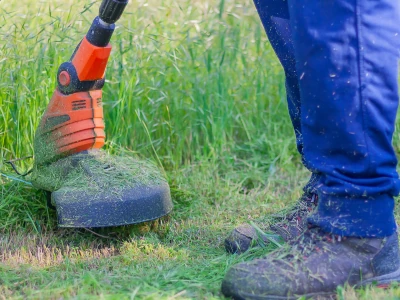
Keep grass, brush, and low-growing vegetation trimmed back from your foundation. Dense plantings directly against the house give rodents and insects both cover and a direct route inside. As a bonus, maintaining a clear perimeter around your structure also reduces wildfire risk — a genuine concern in the White Mountains — so it’s a habit that pays off twice.
Dead or decaying trees near the home deserve attention as well. They’re prime habitat for carpenter ants and other wood-boring insects, and the closer they are to your structure, the shorter the trip for those pests to make. If you have standing dead wood on your property, prioritize removing anything within a reasonable distance of the house.
Trash cans are another attractant that’s easy to overlook. In the White Mountains you’re not just dealing with rodents — bears are a real presence in many communities and they’re not shy about investigating unsecured garbage. Use locking lids and keep cans in a garage or secured outbuilding whenever possible.
Finally, be mindful of bird feeders and outdoor pet food. Both are reliable attractants for rodents and other wildlife. If you love feeding the birds — and plenty of White Mountains homeowners do — position feeders as far from the house as practical and bring pet food inside at the end of the day. Small habits like these add up to a significantly less attractive property for pests of all kinds.

When to Call a General Contractor
Most of the pest-proofing steps in this guide are well within reach of a motivated DIYer. But there’s a category of work that goes beyond caulk guns and hardware cloth — and that’s where a qualified general contractor can make a real difference.
If your inspection turns up significant foundation gaps, rotted fascia boards, damaged crawl space framing, or compromised siding, you’re dealing with structural issues that need to be properly addressed before any pest-proofing effort will hold. Patching over damaged wood or sealing around a rotting roofline is a temporary fix at best.
Older cabins and log-style homes in the White Mountains are particularly prone to this kind of issue. Wood exposed to decades of snow, monsoon moisture, and freeze-thaw cycles can deteriorate in ways that aren’t always visible from the outside. A contractor with experience in high-country construction will know where to look and what to look for.
Think of it this way: a pest control company can treat what’s already inside, and a good pest-proofing routine can keep new intruders out — but a general contractor addresses the underlying conditions that made your home vulnerable in the first place. For a White Mountains property, that kind of foundational work is often the smartest long-term investment you can make.
Pest-proofing a home in the White Mountains isn’t a one-time project — it’s an ongoing habit. The good news is that once you’ve addressed the major entry points and built a few simple routines into your seasonal calendar, staying ahead of the problem becomes much easier than playing catch-up after pests have already moved in.
The steps outlined in this guide don’t require a big budget or specialized expertise. They require consistency. Seal the exterior, harden the interior, stay on top of your landscaping, and pay attention to what each season brings. Do that, and you’ll spend a lot less time dealing with unwanted guests and a lot more time enjoying one of the most beautiful places in Arizona.
And when the work goes beyond what a caulk gun and a hardware cloth can handle, don’t hesitate to call in the right professionals. A pest control company, a general contractor, or both — the right help at the right time protects your investment and gives you real peace of mind. Your White Mountains home is worth it.