
Making the Most of a Sloped Lot in the White Mountains

building on sloped foundations

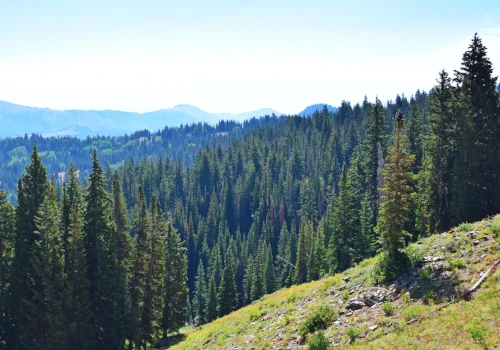
Building in the White Mountains often means working with natural slopes. Many properties in this region sit on uneven terrain, which can feel intimidating when you’re planning a new home. But a sloped lot isn’t a drawback. In many cases, it turns into one of the biggest advantages your property offers.

With the right planning, a slope creates opportunities for better views, added privacy, improved drainage, and a home that blends naturally into the landscape. The key is understanding how the terrain shapes the design and working with a builder who knows how to turn the slope into a strength rather than a challenge.

Understanding Your Lot: How Slope Impacts Your Home Design

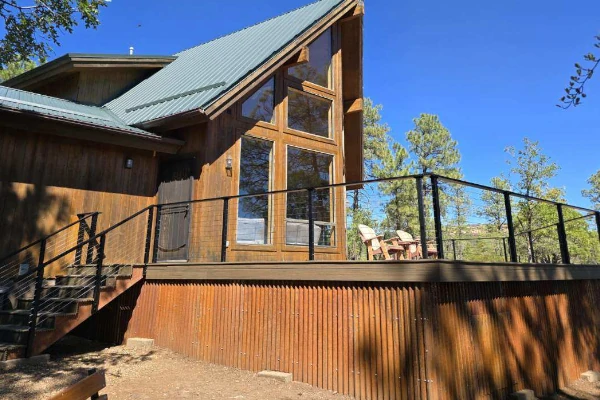
A sloped lot influences the way your home takes shape from the very beginning. The angle and direction of the slope can determine whether options like a walkout basement, split-level design, drive-under garage, or elevated deck make sense. These features aren’t just architectural choices—they’re ways to use the terrain to your advantage and create living spaces that feel natural on the site.

The direction your lot slopes also affects how your home receives sunlight, handles wind exposure, and manages winter snowfall. South-facing slopes may get more warmth in the winter, while north-facing ones might stay cooler and shaded. Early site evaluation by an experienced local builder helps you understand these variables upfront so your design, layout, and long-term comfort fit the land rather than fight against it.

Benefits of Building on a Slope

TreesA sloped lot naturally guides water away from the home, which can reduce the risk of pooling and improve overall drainage when the site is designed correctly. This can be a major advantage in the White Mountains, where snowmelt and seasonal storms bring significant moisture.

Slopes also open the door to design features that simply aren’t possible on flat land. Elevated views, daylight-filled lower levels, and multi-level layouts can make the home feel more connected to its surroundings. And when the home is oriented thoughtfully, the slope can even support better energy performance by helping manage sun exposure throughout the seasons.
Common Challenges—and How a Skilled Builder Addresses Them

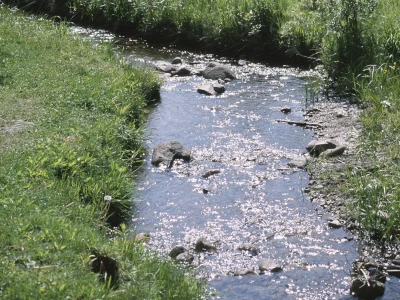
StreamBuilding on a slope comes with a few challenges, but most are manageable with an experienced local builder. Soil stability is important, as different soil types react differently to moisture and pressure. Early evaluation helps ensure the foundation remains secure over time.

Erosion and drainage are also key. Snowmelt and rain can move water quickly, so grading, swales, and retaining structures are often needed to protect the home.

Access and utilities require planning too. Driveways, walkways, and garages must remain functional on a grade, and water, septic, and electrical lines need careful placement.

With thoughtful planning, these challenges don’t have to be obstacles—they simply shape a home that works with the land instead of against it.
Foundation Options for Sloped Properties

There are several ways to build a strong foundation on a sloped lot, each suited to different grades and site conditions. Stem walls are a common choice for moderate slopes—they provide a solid base while allowing the ground to slope naturally around the home.

For steeper or more rugged terrain, pier-and-post foundations can be ideal. They lift the home above the slope with minimal disruption to the land, creating stability without extensive excavation.

Walkout foundations are another popular option. They take advantage of the slope by creating usable living space on the lower level, often with direct access to the backyard.

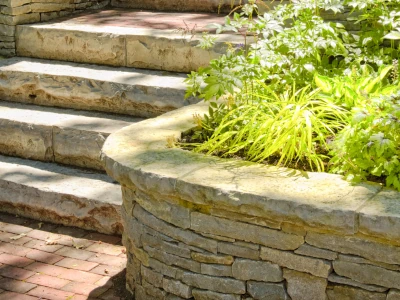
Finally, retaining walls are often needed to manage soil and prevent erosion. They not only protect the home but can also create terraces and outdoor living areas that make the slope functional and attractive.

Choosing the right foundation depends on your lot, your home’s design, and local conditions—working with a knowledgeable builder ensures the foundation is both safe and practical.

How Local Conditions in the White Mountains Influence the Build

The White Mountains have unique conditions that make understanding your lot especially important. Freeze-thaw cycles can affect soil and foundations, while different soil types—from clay to decomposed granite—behave differently when wet or frozen, influencing drainage and stability.

Other factors, like whether your lot is forested or open, affect sun exposure, wind, and snow accumulation. Wildfire risks and natural drainage patterns also play a role. Considering these local conditions early ensures your home is safe, durable, and well-suited to its surroundings.

The Design Phase: What Homeowners Should Expect

During the design phase, your builder and architect work together to integrate the home with the slope. The goal is to make the most of the terrain while keeping the home functional and comfortable.

Slope direction and angle influence how rooms are arranged, where windows and decks are placed, and how outdoor spaces connect to the interior. Thoughtful orientation can maximize sunlight, capture views, and help manage seasonal weather.

Budgeting for Slopes

Budget considerations are also important. Building on a slope can affect foundation costs, grading, and drainage solutions, but careful planning ensures the project stays efficient. Terraces, tiered yards, and view decks can turn challenging slopes into usable and attractive outdoor spaces, adding value and enjoyment to the property.

Turning Slopes Into Outdoor Living Spaces

retaining WallA sloped lot offers unique opportunities to create outdoor spaces that are both functional and beautiful. Terraces, patios, and walkways can follow the natural grade, making the yard feel connected and intentional rather than awkward.

Retaining walls are often part of the design, not just for stability but to create level areas for gardens, seating, or play spaces. Proper grading and drainage keep these spaces usable year-round, even through snowmelt and rain.

With thoughtful planning, the slope itself becomes a feature—providing layered outdoor living areas, scenic views, and privacy that flat lots rarely offer.

Building on a sloped lot in the White Mountains doesn’t have to be a challenge—it can be one of your home’s greatest advantages. With careful planning, thoughtful design, and the guidance of an experienced builder, a slope can enhance views, increase privacy, and create unique living spaces both inside and out.

Understanding your lot, addressing local conditions, and choosing the right foundation and layout turn potential obstacles into opportunities. With the right approach, your sloped property can become a home that feels natural, functional, and truly exceptional.

Need A White Mountain Custom Home Builder?

Reach out to one of our skilled project managers today to discuss making your White Mountains dream a reality!

White Mountains General Contractors--Project Managers

Related Posts