

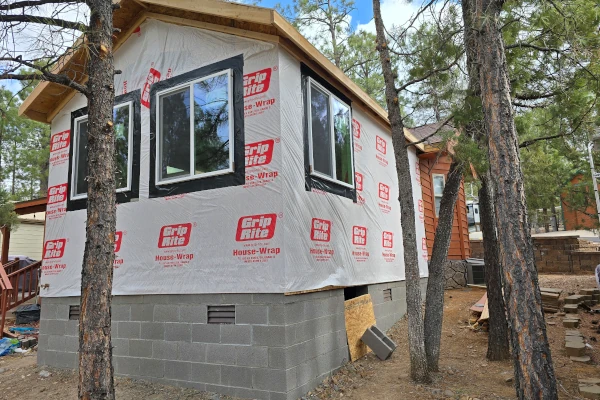
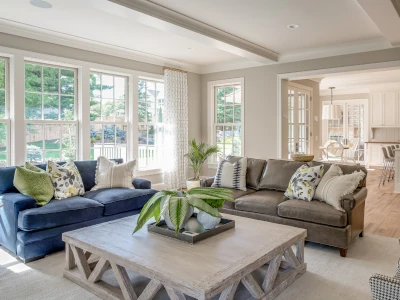
 A family room addition is one of the most versatile ways to expand your home’s living space. Unlike formal living rooms, this area is designed for everyday comfort—perfect for relaxing, entertaining, and connecting as a family. You can also expand an existing living room to get a similar effect.
Key benefits include:
Everyday usability – ideal for movies, games, and casual gatherings.
Open layouts – often connected to kitchens or patios for better flow.
Custom features – built-in shelving, storage benches, and large windows for light.
A family room addition is especially worthwhile when your home feels cramped or lacks a casual gathering space. It works well for households needing flexible space for both adults and children, or for those who want to create a natural connection between the kitchen, dining, and living areas.
You might want to consider this type of extension if:
Your current living space can’t comfortably fit family or guests.
You’d benefit from an open layout that connects to the kitchen or dining area.
Increasing resale value is one of your goals.
However, it may not be the right choice if:
The cost would create financial strain.
Your home already has sufficient informal living space.
You plan to sell soon and won’t recoup the investment.
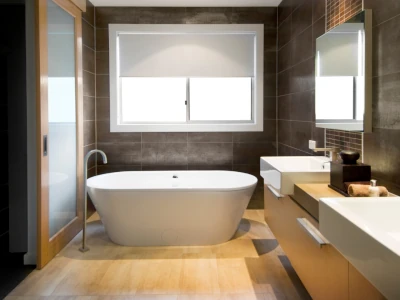 A primary suite expansion is an excellent way to enhance comfort and privacy in your home. By enlarging your master bedroom and adding a luxurious ensuite bathroom, you create a personal retreat that accommodates your lifestyle while improving the overall flow of your home.
Key benefits include:
Increased comfort – more space for sleeping, lounging, and dressing.
Private bathroom amenities – larger showers, double vanities, and soaking tubs.
Enhanced storage – walk-in closets or additional cabinetry for organization.
A primary suite expansion is ideal when you want a sanctuary for rest and privacy or need more room for a growing wardrobe. It also significantly improves resale value for future buyers.
You might want to consider this addition if:
Your current master bedroom feels cramped or lacks storage.
You want a private retreat separate from the main living areas.
Modern amenities like a spa bath or walk-in closet are priorities.
You might not want it if:
Your main need is more shared living space, like a family room or kitchen area.
You require extra bedrooms for children or frequent guests.
You’re looking to create work or hobby spaces rather than personal retreat areas.
Expanding would compromise outdoor areas or other parts of the home.
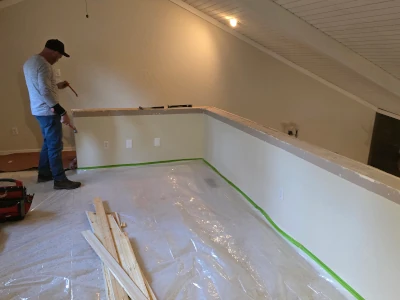 Converting a loft or attic into a finished room is a practical way to add functional space without expanding your home’s footprint. These underused areas can be transformed into bedrooms, home offices, playrooms, or hobby spaces, making the most of square footage that might otherwise go unused. Skylights or dormer windows can bring in natural light, creating a bright, inviting atmosphere.
You might want to consider a loft or attic conversion if:
You need a quiet, separate area for work, study, or hobbies.
Additional bedrooms or guest rooms are necessary.
You want to maximize your home’s existing footprint without major exterior construction.
You might not want it if:
Ceiling height or structural limitations make the space feel cramped.
Your priority is open, shared living areas like a family room or kitchen.
Extensive insulation, HVAC, or electrical work would make the project too costly.
Stairs or access limitations make the space inconvenient for frequent use.
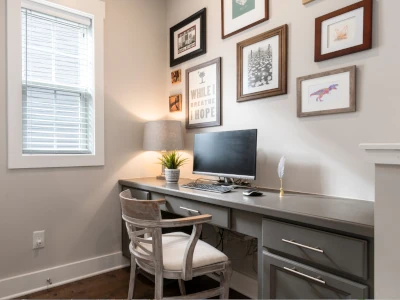 Adding a dedicated home office is an effective way to create a private, productive workspace within your home. A well-designed office separates work from daily distractions and provides a comfortable environment for professional or creative tasks. Ideally, it should be located away from high-traffic areas like kitchens or family rooms, near natural light, and in a part of the home that allows for some sound isolation, such as a converted guest room, attic, or quiet corner addition.
A home office can improve productivity, focus, and overall work-life balance. Features like built-in shelving, a custom desk, and proper lighting help you stay organized and motivated.
You might consider adding a home office if you:
Work remotely or run a home-based business.
Need a dedicated study or creative area.
It may not be necessary if you rarely work from home or if existing spaces can be adapted without an addition.
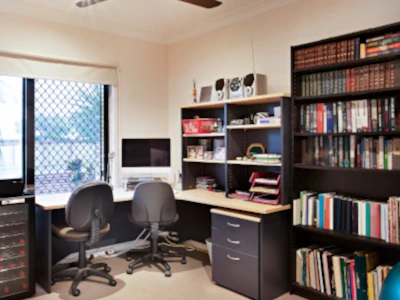 A personal library or study provides a quiet, focused space for reading, research, or work. Converting a spare room or creating a small addition can give you a retreat that encourages concentration and intellectual pursuits while keeping books, documents, and supplies neatly organized.
Ideally, a library or study should be located in a low-traffic area of the home, away from noise and distractions. Natural light from windows or skylights enhances the atmosphere, while built-in shelving and a comfortable seating area make the space functional and inviting.
You might consider adding a library or study if you:
Spend significant time reading, writing, or researching.
Need a dedicated space for studying or focused work.
Want a quiet retreat separate from shared living areas.
It may not be necessary if your home already has a suitable quiet space, or if you don’t need an isolated area for concentration.
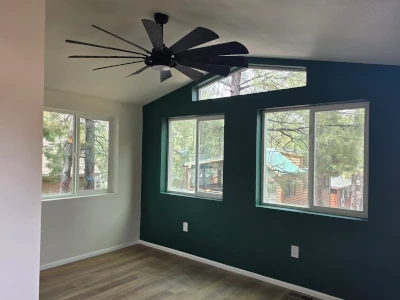 Adding a bedroom is one of the most practical ways to expand your home’s living space. Whether you need room for a growing family, frequent guests, or a teen who needs privacy, a new bedroom can provide comfort and flexibility without major disruption to existing spaces.
Ideally, a bedroom addition should be located near existing plumbing if a bathroom is included, or in a quiet part of the home away from high-traffic areas. Proper insulation, windows for natural light, and sufficient storage are essential to make the space comfortable and functional.
You might consider a bedroom addition if you:
Need extra sleeping space for family or guests.
Want to increase home value and appeal to future buyers.
Desire a dedicated, private area for a growing child or teen.
It may not be necessary if your current bedrooms are underutilized, or if temporary solutions like rearranging existing space can meet your needs without construction.