
Building a custom home in Arizona’s White Mountains is an exciting opportunity to create a space that fits your lifestyle from the ground up. With cooler temperatures, towering pines, and four distinct seasons, the area offers a setting that feels worlds away from the desert below.
But building from scratch is very different from buying an existing home. When building a custom home in show low, AZ you should know about how lot selection, budgeting, and local construction experience impact the outcome. Before breaking ground, it’s important to understand what makes mountain building unique—and how to plan accordingly.
Start With the Right Lot
Choosing the right piece of land is the most important decision you’ll make in the custom building process. In the White Mountains, lot characteristics directly influence construction cost, timeline, design flexibility, and even long-term maintenance requirements.
Utilities and Infrastructure
Not all parcels have the same access to essential services. Some lots connect to community water and sewer, while others require private wells and septic systems.
Extending electric service can be straightforward—or expensive—depending on distance from existing lines. Propane is common in rural areas, which affects appliance and HVAC planning.
Road access also matters more than many first-time builders realize. Privately maintained roads can impact winter accessibility, delivery logistics, and long-term maintenance responsibilities.
Topography and Build Costs
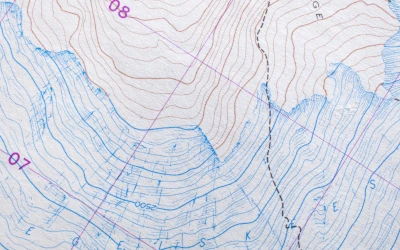
Flat lots are typically less expensive to build on, but they are not always available in mountain communities. Sloped terrain often requires specialized foundation work.
Excavation costs increase with rock content and grade changes. Retaining walls, stepped foundations, and additional engineering can significantly affect your overall construction budget.
Proper drainage planning is essential in areas with snow and seasonal rain. Poor grading can lead to foundation issues, erosion, and costly repairs over time.
HOA and Community Restrictions
Many White Mountain communities operate under homeowners’ associations with architectural guidelines. These rules may regulate exterior materials, roof pitch, and even color palettes.
Minimum square footage requirements can influence affordability. What seems like a modest cabin concept may not comply with neighborhood standards.
Some HOAs impose build timelines once permits are issued. Understanding these deadlines before purchasing land prevents pressure, penalties, or rushed construction decisions.
Budget Beyond the Base Price
Understand Regional Construction Costs
Building in the White Mountains often involves higher transportation expenses and limited subcontractor availability. Fewer crews and longer supply chains can influence both pricing and scheduling flexibility.
Seasonal weather conditions also affect labor efficiency. Snow, freezing temperatures, and shorter winter workdays can extend timelines, which may increase carrying costs and overall project expenses.
Build in a Contingency Reserve
Even well-planned projects encounter adjustments. Material price fluctuations, minor design changes, or unforeseen subsurface conditions can affect your final cost.
Maintaining a 10 to 15 percent contingency provides flexibility and reduces financial pressure, allowing thoughtful decisions rather than reactive compromises during construction.
Account for Pre-Construction and Site Work
Before construction begins, surveys, soil testing, and engineering are often required. These services ensure the foundation and structural systems are properly designed for mountain conditions.
Architectural plans, truss engineering, and energy compliance documentation are typically separate from base construction pricing. Clarifying these costs early prevents budget surprises later.
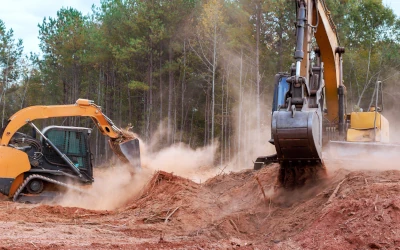
Site preparation adds another layer of expense. Tree clearing, grading, driveway installation, and trenching utilities vary significantly depending on slope, soil composition, and access.
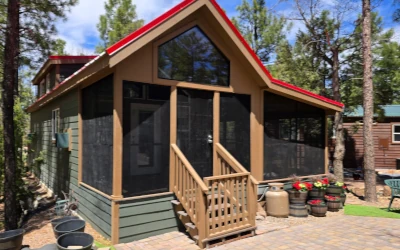
Design for Mountain Living
Plan for Snow and Structural Demands
Mountain homes must be engineered to handle snow loads and winter accumulation. Roof pitch, truss design, and load calculations are critical structural considerations, not cosmetic upgrades.
Extended eaves and thoughtful rooflines help manage snow shedding and protect siding, windows, and entryways from moisture intrusion during freeze-thaw cycles.
Proper site orientation can also reduce snow buildup in driveways and walkways, improving winter accessibility and reducing long-term maintenance concerns.
Prioritize Energy Efficiency and Comfort
Temperature swings between summer days and winter nights require robust insulation and high-performance windows. Air sealing and proper HVAC sizing are essential for consistent indoor comfort.
Radiant barriers, upgraded insulation packages, and efficient heating systems reduce long-term operating costs while improving overall livability.
Designing with passive solar gain in mind—strategic window placement and shading—can further enhance efficiency without increasing mechanical complexity.

Build for Practical, Four-Season Use
Mountain living brings mud, snow gear, and outdoor equipment. Dedicated mudrooms and adequate storage prevent seasonal clutter from overwhelming main living spaces.
Covered patios and protected entryways extend usability throughout the year, allowing outdoor enjoyment despite sun exposure or snowfall.
Choose a Builder With Local Experience
Selecting the right builder is one of the most consequential decisions in the custom home process. Mountain construction presents unique structural, logistical, and regulatory challenges that differ significantly from metro-area builds. Experience in this specific region reduces risk, protects your budget, and improves overall project execution.
A qualified local builder should demonstrate familiarity with climate demands, permitting procedures, and subcontractor coordination within the White Mountains. When evaluating candidates, look for evidence of process transparency, financial clarity, and regional expertise, including:
Proven experience building in high-elevation environments
Knowledge of county permitting and inspection requirements
Established relationships with reliable local subcontractors
Clear contract structure (fixed-price or cost-plus defined upfront)
Detailed change order procedures and communication systems
Building a custom home in the White Mountains is rewarding but requires careful preparation. Lot selection, budgeting, and choosing the right builder set the foundation for a successful project.
First-time builders benefit from planning ahead, understanding regional challenges, and consulting experienced professionals. With thoughtful decisions early, your dream mountain home can be completed on time, within budget, and designed for long-term comfort and enjoyment.

