

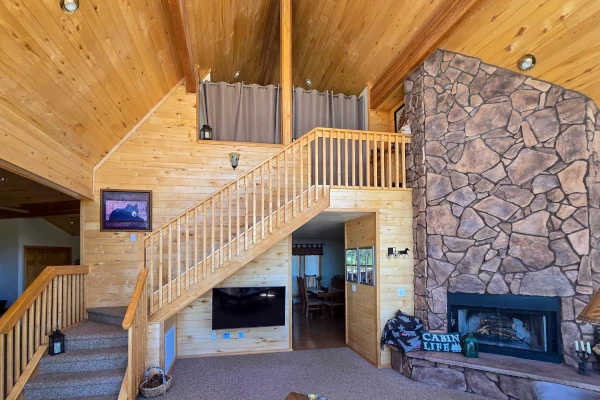
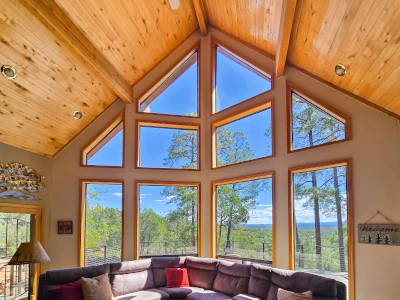
 A great room–centered layout places the primary living, dining, and kitchen spaces into a single, open area that serves as the functional and social heart of the home. In the White Mountains, this approach works particularly well for homeowners who want a comfortable, efficient living space without excessive compartmentalization.
By consolidating the most frequently used rooms, a great room layout simplifies heating during colder months and allows for larger, strategically placed windows that capture views and natural light. Vaulted or raised ceilings are common in these designs, helping the space feel open while accommodating exposed beams or ceiling fans for air circulation.
From a planning perspective, this layout offers flexibility. Bedrooms can be grouped away from the main living area for privacy, while circulation remains straightforward and intuitive. For homeowners thinking long term, a great room–centered plan pairs well with single-level living and can easily accommodate wider pathways or future accessibility modifications without major structural changes.
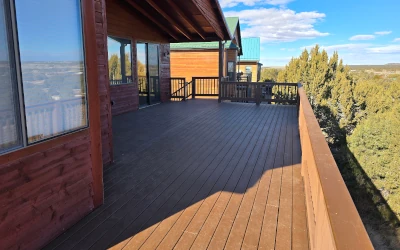 A layout built around covered outdoor living extends the usable footprint of the home without fully enclosing additional square footage. Wraparound porches and deep covered patios create transitional spaces that connect interior living areas to the outdoors while offering protection from sun, snow, and seasonal weather changes.
In practical terms, this layout reduces direct exposure at exterior doors, helps manage snow buildup near entries, and provides shaded areas during warmer months. Interior rooms adjacent to covered outdoor spaces often benefit from reduced solar gain and improved comfort, especially when paired with large sliding or French doors.
From a long-term perspective, covered outdoor living spaces support single-level circulation and create flexible areas for relaxation or entertaining without requiring stairs or elevation changes. When designed with non-slip surfaces and adequate lighting, these spaces remain functional well into retirement.
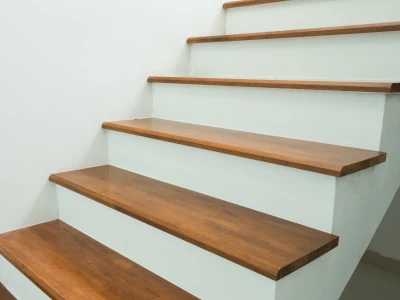 Split-level and multi-level layouts are commonly used on sloped or uneven lots, allowing the home to follow the natural terrain rather than requiring extensive grading. Living spaces are distributed across multiple levels, often with bedrooms separated from main gathering areas.
This design can be an efficient way to capture views and create distinct zones within the home. However, the reliance on stairs between levels increases construction complexity and introduces long-term accessibility challenges.
While these layouts can work well for households prioritizing views or guest separation, they are generally less adaptable for aging in place without future modifications.
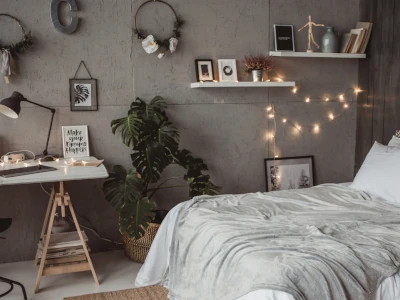 A master-on-main layout places the primary bedroom and bathroom on the same level as the kitchen and main living spaces. This configuration reduces the need for daily stair use and simplifies movement throughout the home.
In the White Mountains, this layout is especially practical during winter months when stairs may be less desirable. It also allows secondary bedrooms or guest spaces to be located elsewhere without compromising day-to-day convenience.
This design is one of the most effective options for homeowners planning to remain in their home long term.
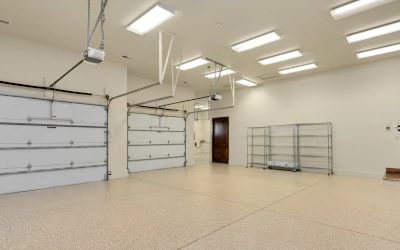 A storage-focused layout prioritizes garage space, workshops, and dedicated areas for outdoor gear. In mountain communities, this approach supports recreational lifestyles and protects vehicles and equipment from snow and weather exposure.
These layouts often include wider garages, higher ceilings, and direct access to utility or mudroom spaces. While this adds to construction costs and total square footage, it can significantly improve day-to-day functionality.
When designed with level access and adequate lighting, garage-heavy layouts can remain practical well into retirement.