

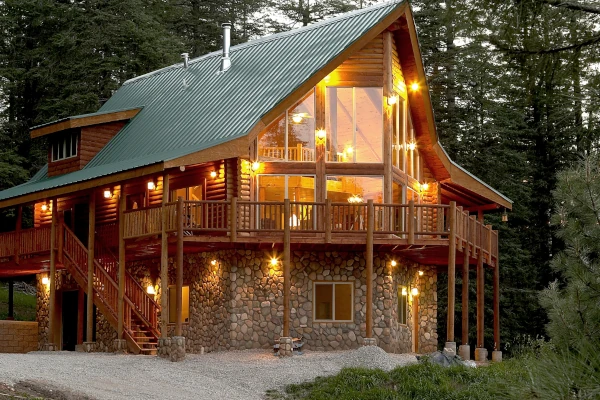
Building in the White Mountains often means working with natural slopes. Many properties in this region sit on uneven terrain, which can feel intimidating when you’re planning a new home. But a sloped lot isn’t a drawback. In many cases, it turns into one of the biggest advantages your property offers.
With the right planning, a slope creates opportunities for better views, added privacy, improved drainage, and a home that blends naturally into the landscape. The key is understanding how the terrain shapes the design and working with a builder who knows how to turn the slope into a strength rather than a challenge.
Understanding the White Mountains Environment
Climate and Natural Light Patterns
Lifestyle Considerations
Interior Lighting: Creating Warmth and Functionality
Layered Lighting for Mountain Homes
In a forested setting where ambient light varies significantly, layering becomes essential. Instead of depending on a single overhead fixture, a thoughtful plan incorporates:
- Ambient lighting for general illumination
- Task lighting for workspaces
- Accent lighting to highlight architectural details or artwork
This combination prevents dark pockets in wood-heavy rooms and creates a warm, balanced glow.
Warm-Temperature Lighting
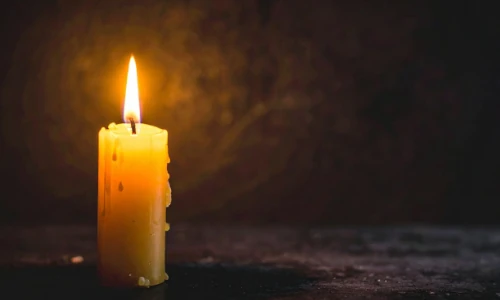
Mountain homes benefit from warmer light temperatures, typically between 2700K and 3000K. These tones complement wood ceilings, log walls, and natural stone while creating a softer atmosphere during the long winter evenings. Cooler light temperatures can look harsh against natural finishes, so warm LEDs generally provide the most comfortable environment.
Best Fixtures for Key Interior Areas
Living Spaces
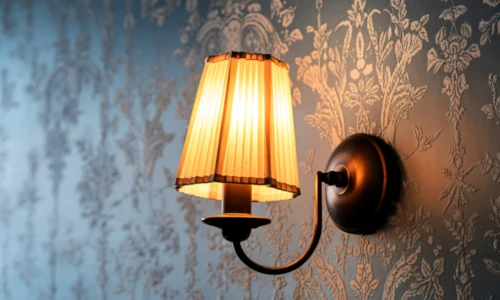
Open living rooms with vaulted ceilings often pair well with rustic chandeliers, iron pendants, or timber-inspired fixtures. Wall sconces and floor lamps help reduce shadows created by tall walls and wood surfaces.
Kitchens
Bedrooms
Bathrooms
Exterior Lighting: Safety, Beauty, and Dark-Sky Compliance
Why Outdoor Lighting Matters
Forest density, uneven terrain, and seasonal weather patterns all make exterior lighting a key safety feature in the White Mountains. Proper placement helps homeowners navigate steps, decks, and driveways and deters wildlife from approaching too closely.
Dark-Sky Friendly Lighting
Layered Lighting for Mountain Homes
Entryways and Decks
Driveways and Pathways
Security Lighting
Aesthetic Considerations for Mountain-Style Homes
Layered Lighting for Mountain Homes
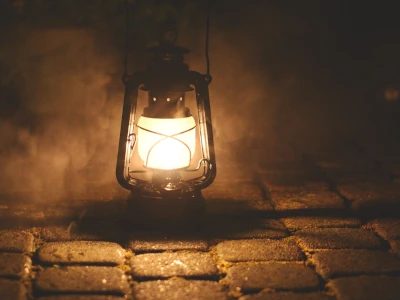 Mountain homes often embrace natural textures and rugged materials. Lighting that works well in these spaces includes:
- Iron or bronze fixtures
- Lantern-style pendants
- Antler or wagon-wheel chandeliers
- Edison-style warm LED bulbs
These options support a classic mountain aesthetic without feeling overly themed.
Modern Mountain Style
Highlighting Architectural Features
Common Lighting Mistakes in Mountain Homes
Homeowners in the White Mountains often encounter several issues:
- Relying solely on bright white bulbs that feel cold
- Skipping dimmers, limiting flexibility
- Using fixtures that produce glare on reflective wood surfaces
- Installing outdoor lights that cause excessive sky glow
- Over-lighting rooms instead of layering multiple light sources
Avoiding these mistakes ensures both comfort and visual harmony.
Putting It All Together: A Sample Lighting Plan
A well-designed lighting strategy might include:
- A living room featuring a central chandelier, wall sconces, and two floor lamps
- A kitchen with recessed LEDs, under-cabinet strips, and island pendants
- Bedrooms with dimmable overhead fixtures and warm bedside lamps
- Exterior lighting with shielded pathway lights, downward sconces, and motion-activated security lights
This balanced approach supports function, style, and dark-sky principles.